
Italian Stone for Museums and Cultural Institutions: Honoring Art with Architecture

Museums and cultural institutions use Italian stone to create environments worthy of the art, artifacts, and cultural treasures they house and preserve for public benefit. Material choices in these spaces communicate reverence for collections, institutional permanence spanning generations, and the gravitas that cultural missions demand. The marble entrance hall establishes that crossing the threshold means entering sacred cultural space. The travertine flooring throughout galleries provides durable, elegant neutrality that serves rather than competes with collections. Stone signals that institutions take seriously their responsibility as stewards of cultural heritage and public trust.
The Vero Stone understands cultural institutions require materials balancing architectural presence with appropriate restraint, creating spaces that enhance rather than overwhelm the art and artifacts that justify institutions' existence. This guide examines strategic stone placement from grand public entrances through gallery spaces to support areas, helping cultural institutions create architecture that serves collections while withstanding the intensive public use these democratic spaces uniquely experience.
Grand Entrances and Public Spaces: Creating Cultural Destinations with Italian Stone
Walk into the Metropolitan Museum and you don't immediately see art—you see the Great Hall, a cathedral of limestone that stops you in your tracks and announces you've left the chaos of Fifth Avenue for something sacred. This is what museum entrance halls do with stone: they create psychological threshold between ordinary life and cultural pilgrimage. The marble underfoot feels cool and permanent. The scale dwarfs you in a way that prepares your mind for encountering human achievement across millennia. Before you've seen a single painting, the architecture has already done its work.
Grand staircases in museums become destinations themselves—think of the Met's stairs ascending toward European paintings, or Philadelphia Museum of Art's exterior approach made famous by Rocky. These aren't merely vertical circulation but theatrical moments where stone treads carry millions of footfalls while maintaining elegance that matches their architectural drama. Each step literally supports democracy's access to culture, bearing weight both physical and metaphorical. The stone must look pristine whether it's a quiet Tuesday morning or a blockbuster Saturday when ten thousand visitors concentrate a year's worth of wear into eight hours.
Donor recognition walls face a delicate challenge: honor the patrons whose millions sustain the institution without creating shrines to wealth that overshadow the art. Marble solves this—permanent enough to acknowledge generosity spanning generations, restrained enough to avoid ostentation. Sculpture courts present different problems. How do you create settings worthy of Rodin or Moore without the architecture competing for attention? Travertine floors and limestone walls provide neutral elegance, establishing quality while letting bronze and marble sculptures command the space. The Vero Stone works with institutions navigating these balance points, understanding that cultural architecture succeeds by serving collections rather than showcasing itself.
Natural light complicates everything beautifully. Morning sun raking across lobby marble creates entirely different space than afternoon glow or overcast gray. This dynamic quality enlivens architecture, but it also creates challenges—glare, heat gain, UV damage to sensitive works. Stone selection must account for these realities. Acoustic properties matter more than most realize. Stone reflects sound, and a museum filled with school groups can become echo chamber that destroys the contemplative atmosphere art demands. Strategic stone on floors paired with sound-absorbing ceilings and textiles creates environments that handle crowds without acoustic chaos. The goal isn't silence but clarity—spaces where conversation remains possible without cacophony overwhelming everyone's experience.
Gallery Spaces and Exhibition Areas: Using Italian Stone For Neutral Backdrops
Gallery floors face an impossible mandate: be present enough to provide quality underfoot, invisible enough to disappear when viewers focus on art. Light gray marble or honed limestone achieves this—elegant when you glance down, forgettable when Monet demands attention. The floor can't compete. It can't introduce colors that clash with paintings rotated seasonally. It can't create glare that interferes with viewing sculpture. Neutral stone provides the elegant nothing that great galleries require, a permanent foundation for exhibitions that change quarterly or annually while the floor remains appropriate through Impressionism, Contemporary, and everything between.
Walls are where stone usually loses. Most curators actively avoid it—too much visual noise, too much reflection, too much permanent commitment when exhibitions demand flexibility. White-painted drywall moves easily, accepts infinite nail holes, and disappears behind art. Stone announces itself. There are exceptions—sculpture galleries where three-dimensional works benefit from architectural presence, or permanent collection spaces designed around specific masterworks where stone walls create settings worthy of treasures displayed indefinitely. But temporary exhibition spaces almost universally reject vertical stone in favor of neutral, adaptable surfaces that curators can work with rather than around. The Vero Stone helps institutions understand where stone enhances and where it hinders, ensuring permanent architectural decisions support rather than constrain curatorial vision.
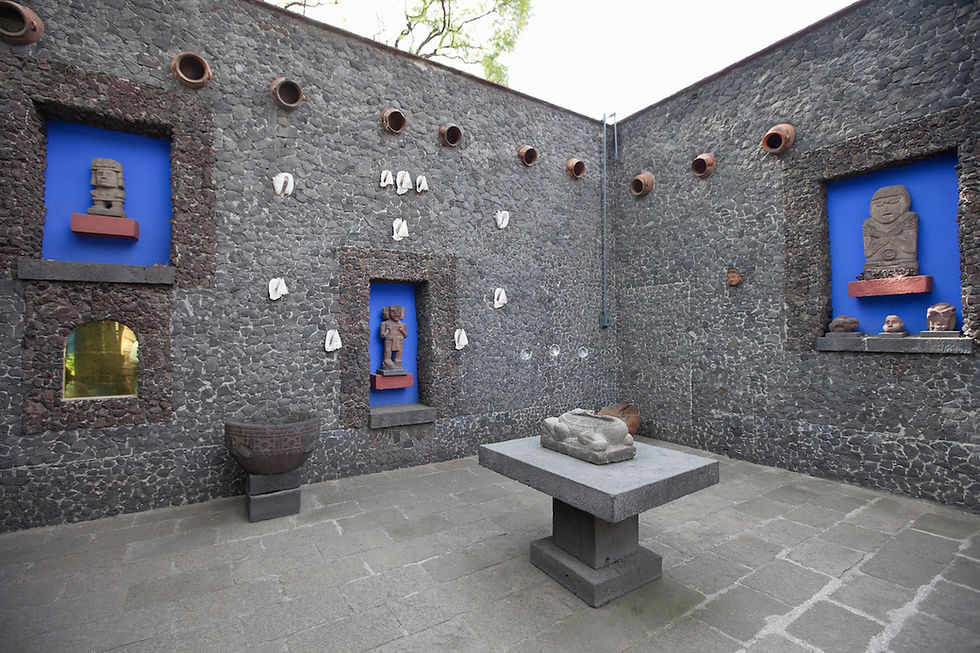
Sculpture galleries flip the equation. Here stone feels appropriate, even necessary. Bronze figures or marble statues displayed against painted drywall look diminished—the materials mismatch creates cognitive dissonance. Travertine floors and limestone walls provide physical and conceptual weight matching sculpture's permanence. Display pedestals fabricated from marble blocks elevate works literally and metaphorically, creating presentation worthy of three-dimensional art. But durability demands intensify—sculptures weighing hundreds or thousands of pounds roll across floors during installation. Forklifts navigate galleries. Stone must handle this abuse while maintaining the refinement viewers expect. Permanent collection spaces allow architectural commitment that temporary galleries cannot. You can design floors, transitions, and details around specific works knowing the Caravaggio or ancient Greek kouros will occupy that wall for decades. Temporary spaces need maximum flexibility—stone that works equally well beneath Renaissance tapestries this month and video installations next quarter.
Corridor transitions between galleries often get overlooked in planning but visitors experience them constantly—the pause between exhibitions, the threshold between periods or cultures. Stone in these interstitial spaces maintains quality throughout journeys rather than creating hierarchy where galleries merit investment but connective tissue gets generic treatment. Climate control becomes technical consideration when introducing stone's thermal mass into gallery environments requiring precise temperature and humidity for conservation. Stone absorbs and releases heat slowly, affecting HVAC performance and creating microclimates that conservators worry about near sensitive works. We work with institutions balancing these concerns, selecting stones and installation methods that provide desired aesthetics while respecting conservation requirements. Creating environments where architecture serves art rather than competing with it requires ego-free design—understanding that the greatest architectural success in museums is creating spaces where visitors remember collections vividly and barely notice the rooms containing them. Stone achieves this through restrained elegance that supports without shouting, endures without demanding attention, and honors both art and the public trust institutions exist to serve.
Support Spaces and Visitor Amenities: How Italian Stone Creates Quality Experience
Museum shops and cafés occupy strange territory—commercial spaces within cultural institutions, revenue generators that also shape visitor experience and institutional perception. Stone counters in museum cafés signal this isn't generic food court but extension of cultural experience where even grabbing coffee happens in thoughtfully designed environment. The Met's cafeteria feels worlds apart from mall food courts partly because materials maintain institutional quality rather than dropping to budget finishes the moment you leave galleries. Travertine or marble floors in museum shops create retail environments worthy of the reproductions and books being sold, treating commerce as dignified institutional function rather than necessary evil tolerated for revenue.
Restrooms reveal institutional priorities instantly. Generic commercial bathrooms with builder-grade tile announce that quality stops where public visibility ends. Marble bathrooms signal quality permeates the institution regardless of function or glamour. This matters more than architects often realize—visitors remember bathroom quality, mention it in reviews, and form judgments about institutional care and attention to detail based on whether facilities match gallery standards. We've worked with cultural institutions understanding that limestone bathroom floors and marble vanities aren't frivolous luxury but extensions of institutional commitment to quality in every visitor touchpoint. Education wings and classroom spaces where school groups learn and public programs happen deserve materials matching gallery quality. Stone floors in education spaces withstand intensive use from children's programs while maintaining environments worthy of cultural missions centered on public access and learning.
Event spaces and rental venues generate crucial revenue through fundraising galas, weddings, and corporate events that subsidize free admission and acquisitions. These spaces must function as galleries during daytime and transform into elegant event venues after hours. Stone provides the permanent quality that works across both uses—sophisticated enough for black-tie galas, neutral enough for contemporary art installations, durable enough for frequent furniture movement and intensive event use. Research libraries and archive reading rooms serve scholars and serious researchers in quiet contemplation requiring different atmosphere than public galleries. Stone floors create appropriate gravitas in these spaces while providing durability for furniture, rolling book carts, and the researchers who spend entire days immersed in collections. Administrative offices and curatorial workspaces often get utilitarian finishes that ignore the reality that staff experience these spaces daily and that institutional culture forms partly through whether quality extends to employee environments or stops at public-facing areas.
Loading docks and collection storage might seem absurd places for Italian stone, and usually they are—concrete serves fine in purely functional back-of-house spaces. But transitions matter. The corridor from loading dock to galleries, the storage area where priceless works await installation, the workrooms where conservators repair masterpieces—these spaces occupy liminal zones where maintaining some material quality acknowledges the cultural importance of work happening there. How support space quality affects overall institutional perception operates through cumulative effect rather than individual impact. Visitors forming opinions about institutions assess everything—not just whether galleries impress but whether cafés feel cheap, bathrooms adequate, and event spaces worthy of celebrations. Stone extending beyond galleries signals institutions valuing quality comprehensively rather than performatively, creating trust that they'll care for collections with the same thoroughness they bring to every architectural decision visitors experience throughout their visits.

Preservation, Longevity, and Institutional Investment with Italian Stone
Museums think in centuries, not quarterly earnings. The paintings won't depreciate. The sculptures aren't getting replaced next fiscal year. Architecture housing these permanent collections must match that timeline, which means materials lasting generations without looking dated or requiring replacement. Italian marble installed today should serve 2125's visitors as appropriately as today's. This isn't aspirational thinking—it's fiduciary responsibility. Trustees approving capital budgets expect materials that won't embarrass their grandchildren or burden future boards with premature renovations because 2024's trendy finishes aged poorly. Stone delivers this permanence not through indestructibility but through timeless beauty that transcends architectural fashion.
Maintenance programs for cultural institutions face unique challenges. The Met welcomes seven million annual visitors. The Louvre sees ten million. That's small cities walking through daily, concentrating wear into bottlenecks around blockbuster works and popular galleries. Maintenance can't close galleries for deep cleaning—public access is the mission. Work happens overnight, in rotating closures, during stolen hours when tourists sleep. Our experience with high-traffic commercial installations translates directly to museum requirements—professional cleaning coordinated with institutional schedules, sealing programs that protect without toxic fumes affecting sensitive artworks, and restoration planning that addresses wear before it becomes damage.
Historic building renovations present delicate decisions. Adding contemporary wing to century-old museum means choosing whether new stone matches original materials or deliberately contrasts to honestly announce different eras. Neither answer is universally correct. Matching nineteenth-century limestone means sourcing from original quarries or finding equivalents, navigating the reality that stone from the same formation can look different century later. Complementary stone acknowledges new construction while respecting original architecture. LEED certification seems to conflict with importing Italian stone, but natural materials actually support sustainability. Stone lasts indefinitely, eliminating replacement waste. Thermal mass helps regulate temperature. Low VOC emissions improve air quality. The carbon cost amortizes across centuries, not years. The Vero Stone helps institutions navigate LEED documentation, demonstrating how permanent materials serve sustainability better than frequent replacement of products that don't endure.
Donor expectations shape decisions whether institutions admit it or not. Capital campaigns involve donors touring facilities and scrutinizing where their millions go. Stone signals appropriate stewardship—permanent investment rather than cheap finishes disrespecting contributions. Campaign materials photograph stone beautifully, providing visual evidence donors need to feel their generosity creates lasting impact. Return on investment means visitor experience and institutional reputation rather than profit. Stone contributes to both—creating environments visitors remember fondly, establishing gravitas affecting donor confidence and board recruitment. Future-proofing with timeless materials protects against architectural obsolescence forcing expensive renovations simply because materials date. Classic Carrara looks as appropriate in 2024 as 1924 or 2124, making material decisions worthy of cultural missions serving generations.
Creating Cultural Spaces Worthy of Great Collections with The Vero Stone
Museums and cultural institutions invest in Italian stone because their architecture must endure as long as the collections they house. Material choices communicate reverence for art, commitment to public trust, and institutional permanence spanning generations. Stone creates environments where architecture serves collections rather than competing with them, providing elegant neutrality that works across centuries of changing exhibitions and evolving cultural missions.
The Vero Stone understands cultural institutions require materials balancing architectural presence with appropriate restraint, durability meeting century-long planning horizons, and quality extending from grand public spaces through support areas visitors experience throughout their journeys.
Planning museum construction or renovation? Contact The Vero Stone to discuss Italian stone solutions honoring both collections and public trust, with materials creating architecture worthy of the cultural treasures institutions preserve and present.


Comments