
Vein-Matching and Bookmatching Explained: Advanced Techniques in Marble Design

Vein-matching and bookmatching are among the most striking ways to showcase natural marble, turning functional surfaces into defining architectural features. These techniques add drama, elegance, and value to spaces, making them especially appealing in high-end residential and commercial design. From kitchens and bathrooms to grand entryways and fireplaces, the careful use of patterned stone creates a sense of intention and artistry that cannot be replicated with manufactured materials.
At The Vero Stone, we help homeowners, architects, designers, and builders harness the full potential of Italian marble through advanced fabrication techniques like vein-matching and bookmatching. By sourcing the right slabs, planning every detail of placement, and executing with precision, our team ensures results that feel seamless, bold, and timeless. These practices not only enhance visual impact but also elevate the overall quality of any project where stone plays a central role.

What Is Vein-Matching and How Does It Work?
Vein-matching is a specialized technique in stone fabrication where marble slabs are cut, positioned, and installed so that the natural veining aligns seamlessly across multiple surfaces. Instead of interrupting the stone’s organic flow with mismatched joints, fabricators work to continue the veining from one slab to the next, creating the impression of one continuous surface. The result is a design that feels deliberate and sculptural, while still preserving the raw authenticity of the stone’s natural formation.
The process begins with material selection. Not every slab is suitable for vein-matching, and only quarries that can provide sequentially cut blocks—slabs taken in order from the same section of stone—allow for the kind of continuity required. Fabricators then carefully map how each slab will be cut and oriented, often laying them out in full before fabrication begins. Some firms even use advanced digital modeling to simulate the veining alignment, ensuring that once the stone is fabricated and installed, the flow of the pattern feels natural and uninterrupted.
On-site, execution requires precision. Installers must handle large, heavy slabs with extreme care to ensure edges align perfectly and veining lines up as planned. Even small shifts in placement can disrupt the visual flow, so expert craftsmanship is essential. The payoff is a dramatic architectural element that can elevate a fireplace surround, a double-height entry wall, or a sprawling kitchen backsplash into a genuine centerpiece of the home.
Beyond aesthetics, vein-matching also carries symbolic value. It demonstrates a level of investment and attention to detail that communicates permanence, luxury, and craftsmanship. For designers and homeowners, it’s not simply about using marble—it’s about using marble in a way that maximizes its natural beauty. For contractors and builders, it adds measurable value to a property by creating focal points that can’t be replicated with standard fabrication methods.
What Is Bookmatching and Why Is It Unique?
Bookmatching is another advanced stone fabrication technique, but unlike vein-matching, it creates a dramatic mirrored effect. This is achieved by slicing a marble block into sequential slabs and then opening them like the pages of a book so that the veining patterns reflect each other. When installed side by side, the stone looks like a perfect mirror image, with bold lines, swirls, or fossil traces radiating outward in symmetry. The result is a statement feature that blends the randomness of nature with the precision of design.
This symmetry is what makes bookmatching stand out in luxury interiors. A single slab of marble is already beautiful, but when mirrored, the patterns take on a more deliberate, almost artistic quality. Designers often use bookmatching for large vertical surfaces where the impact can be fully appreciated—fireplace walls, double-height entryways, shower surrounds, or expansive backsplashes. The natural stone becomes less of a background material and more of a centerpiece, functioning as both architecture and artwork.
The process requires a high level of planning. Not every stone type or quarry cut is suitable, and the fabricator must select slabs that reveal dramatic veining when mirrored. Just as with vein-matching, many specialists now use digital rendering to preview how the slabs will align before fabrication begins. This ensures that the investment in stone and labor results in a finished product that looks intentional rather than haphazard.
Visually, the distinction between bookmatching and vein-matching is significant. Vein-matching prioritizes continuity, creating a flow that looks uninterrupted and natural. Bookmatching, on the other hand, creates bold symmetry, doubling the stone’s visual drama and making patterns that often resemble wings, waves, or abstract artwork. For clients, the choice often comes down to personality and intent: vein-matching emphasizes harmony and refinement, while bookmatching makes a striking, unforgettable statement.
For homeowners, architects, and designers, bookmatching is not just about aesthetics. It signals a commitment to craftsmanship, coordination, and luxury. It demonstrates to anyone entering the space that the design is thoughtful at the highest level, and it transforms marble from a surface material into the defining character of a room.
Where to Use Vein-Matched and Bookmatched Marble in Design
The true beauty of vein-matching and bookmatching comes alive when these techniques are applied to large, uninterrupted stone surfaces. These are not treatments for small countertops or minor accents; they thrive in spaces where scale and visibility allow the patterns to tell their story. Fireplaces are one of the most popular applications, transforming what is traditionally a functional element into a dramatic centerpiece. A vein-matched or bookmatched fireplace wall brings warmth and grandeur to a living space, becoming both a design anchor and a conversation piece.
Feature walls are another area where these advanced techniques excel. In entryways, reception areas, or double-height living rooms, the bold symmetry of bookmatching or the flowing continuity of vein-matching creates an immediate visual impact. Unlike paint, wallpaper, or even standard stone cladding, these surfaces communicate craftsmanship and permanence. In luxury commercial projects such as hotels, corporate headquarters, or galleries, they signal prestige and attention to detail at the highest level.
Backsplashes, particularly in kitchens or bathrooms, also benefit from these approaches. While the surface area is smaller than a wall, the location—often eye-level and central in daily use—makes it an ideal place to showcase fine stonework. A bookmatched backsplash above a stove or vanity transforms the space into a focal point, elevating what might otherwise be a utilitarian element into a piece of functional art.
Lighting plays a crucial role in maximizing the drama of these applications. Veins or mirrored patterns appear more pronounced under carefully positioned fixtures, whether that means recessed lighting washing down a fireplace, or under-cabinet lighting highlighting a backsplash. Natural light can also enhance the reflective qualities of polished marble, while honed finishes paired with soft lighting create a subtler, more sophisticated look. Designers often plan lighting strategies alongside stone layouts to ensure that every vein, swirl, or mirror image is emphasized at the right angle.
Ultimately, the effectiveness of vein-matching and bookmatching depends on scale. The larger the surface area, the more opportunity the stone has to showcase its character. That is why these methods are most often reserved for high-value, high-visibility installations where the investment pays off not only in beauty but also in lasting property value. For homeowners and designers, knowing where to use these techniques is as important as understanding how they are executed, since the right placement ensures the stone achieves its maximum impact.
Planning and Fabrication for Precision Marble Design
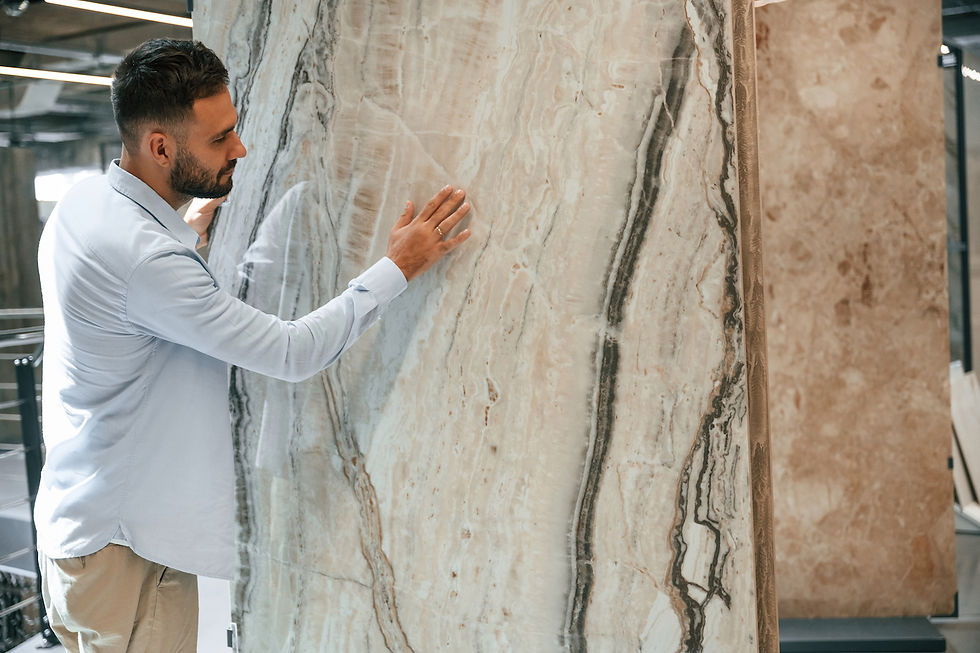
The success of vein-matching and bookmatching depends as much on planning as it does on the beauty of the stone itself. These advanced techniques require designers, architects, and fabricators to collaborate early in the process to ensure that every detail—from slab selection to installation—is aligned with the project’s goals. Waiting until the last stages of construction to involve the stone team can limit options or create costly rework. Instead, precision stone design works best when the intent is clear from the start and all disciplines coordinate around the desired focal point.
Material selection is one of the most critical stages. Because not all slabs can achieve the dramatic effects of vein-matching or bookmatching, fabricators carefully evaluate bundles to identify consistent veining and pattern flow. The sequencing of slabs is just as important. Fabricators map out how each cut will align, ensuring that when two pieces meet, the veining flows seamlessly or mirrors perfectly. This level of planning often requires digital modeling or dry-lay mockups, giving designers and clients the ability to visualize the outcome before fabrication begins.
Installation brings another layer of complexity. Precision cutting, edge finishing, and handling must be executed flawlessly to preserve the planned alignment. Even slight miscalculations can disrupt the visual flow of the veins or mirrored effect, undermining the investment in material and design. Attention to substrate preparation, anchoring systems, and long-term durability is equally important, as large bookmatched or vein-matched panels often serve as permanent architectural features. Professional installers with specialized expertise in marble handling are essential to achieving the lasting visual impact that makes these surfaces so sought after.
Ultimately, vein-matching and bookmatching are less about chance and more about discipline. When designers, fabricators, and installers approach the process as a unified team, the results transcend ordinary stonework. These surfaces not only highlight the beauty of the marble but also showcase the craftsmanship and precision that set high-end projects apart.
Elevating Interiors with Vein-Matched and Bookmatched Marble from The Vero Stone
Vein-matching and bookmatching are more than fabrication techniques—they’re design statements that turn marble into a true work of art. Whether used in fireplaces, feature walls, or grand entryways, these methods highlight the stone’s natural beauty while showcasing the precision and craftsmanship that define luxury interiors. For homeowners, architects, and designers, the choice to incorporate these advanced practices is an investment in timeless elegance and lasting value.
At The Vero Stone, we specialize in bringing these ideas to life. From selecting the right slabs to executing complex fabrication and installation, our team ensures every project delivers seamless results and unmatched refinement. If you’re planning a space where stone should be more than just a surface—where it should be the centerpiece—our experts are ready to guide you through the process. Contact The Vero Stone today to begin exploring the possibilities of vein-matched and bookmatched marble.


Comments